

Cervical Cancer Symptoms: What Warning Signs You Need to Know
 paulette
Abnormal vaginal bleeding is the most important warning sign of cervical cancer, and it demands your immediate attention. Whether you experience bleeding between periods, after intercourse, or after menopause, this symptom should prompt a call to your doctor. The Canadian Task Force on Preventive Health Care continues to monitor cervical cancer screening developments, and their guidance emphasizes early detection as your most powerful tool.
Understanding these symptoms isn’t about creating fear. It’s about empowering you with the knowledge to advocate for your health and catch potential problems early, when treatment is most effective. Many women dismiss unusual bleeding or pelvic discomfort as minor issues, but your body deserves to be heard. Bleeding after sex is not normal, and waiting months for it to go away on its own only delays a diagnosis.
Beyond bleeding, you should watch for unusual vaginal discharge, pelvic pain, and discomfort during intercourse. These symptoms can appear gradually, and they’re sometimes subtle enough that you might question whether they’re worth mentioning to your healthcare provider. They are. Always.
The good news? Regular screening, recommended to begin at age 21 for most women (or when sexual activity begins), catches most cervical changes before cancer develops. This article walks you through the specific symptoms to recognize, explains what they might mean, and helps you understand when to seek medical care. You’ll also discover how holistic approaches to wellness can support your overall cervical health alongside medical screening.
Your awareness is your first line of defense.
Understanding Cervical Cancer and Why Symptoms Matter
Cervical cancer develops in the cells of the cervix, the lower part of the uterus that connects to the vagina. Most cases begin when abnormal cells in the cervical tissue change slowly over time, often triggered by certain strains of human papillomavirus (HPV). These changes don’t happen overnight. In many cases, precancerous changes take years to develop into cancer, which is why early detection makes such a profound difference.
Your body has a remarkable way of communicating when something isn’t right. Physical symptoms are not inconveniences to ignore or dismiss, they’re signals meant to be heard and honored. When we pay attention to these messages and respond with care, we give ourselves the best chance for early intervention and positive outcomes.
Early detection of cervical cancer dramatically improves treatment success. When caught in its earliest stages, cervical cancer is highly treatable, with excellent survival rates. The key is recognizing warning signs and acting on them without delay. Screening tests can detect changes before symptoms appear, but understanding what symptoms to watch for adds another essential layer of protection.
Many women experience a sense of fear or uncertainty when they notice unusual symptoms. That’s completely natural. What matters most is moving through that fear toward action. Seeking medical guidance when something feels different is not overreacting, it’s an act of self-respect and empowerment. Knowledge about cervical cancer symptoms gives you the tools to advocate for your own health and the wisdom to know when your body needs medical attention.
Every woman deserves to feel confident in understanding her body’s signals and secure in knowing when to seek help.
The Most Common Warning Signs of Cervical Cancer

Abnormal Vaginal Bleeding: The Primary Warning Sign
Abnormal vaginal bleeding stands as the most important warning sign of cervical cancer. If your period has become unpredictable, or you notice bleeding when you shouldn’t, your body is sending you a signal worth hearing.
Cervix-related abnormal bleeding can appear in several patterns. You might experience bleeding between your regular menstrual cycles, which can range from light spotting to heavier flow. Bleeding after intercourse is another significant pattern that deserves attention, even if it happens just once. If you’ve reached menopause and suddenly experience any vaginal bleeding, this requires prompt medical evaluation. Women still menstruating might notice their periods have become unusually heavy or last longer than normal.
Understanding the difference between perimenopause vs menopause helps you recognize what’s truly abnormal for your stage of life. Irregular periods are common during perimenopause, but any bleeding after you’ve gone twelve consecutive months without a period needs immediate medical attention.
When you have unexpected bleeding, it is important to let your doctor know. This isn’t about creating worry but about taking care of yourself. Most abnormal bleeding has explanations other than cervical cancer, but only your healthcare provider can determine the cause. Trust your instincts, document what you’re experiencing, and schedule an appointment. Early conversations about unusual bleeding open the door to early detection and better outcomes.
Other Physical Symptoms to Watch For
Beyond abnormal bleeding, your body may send other signals that deserve attention. Changes in vaginal discharge, especially if it becomes watery, bloody, unusually heavy, or develops a foul odour, can indicate cervical changes. These shifts in what’s normal for you shouldn’t be ignored.
Persistent pelvic pain or discomfort in your lower back that doesn’t resolve with rest may also warrant investigation. Some women notice pain during urination, which can overlap with urinary tract infections but may point to other issues when it persists or recurs without clear cause.
Unexplained weight loss and ongoing fatigue, while less specific, are your body’s way of signalling that something needs medical review. These symptoms rarely appear in early cervical cancer, but they matter when they show up alongside other changes or without obvious explanation.
Think of these symptoms as your body’s communication system. Not every signal means cancer, many have benign explanations, but paying attention to patterns and changes helps you advocate for your health. When something feels off, trust that instinct and bring it to your doctor.
When to See Your Doctor: Taking Action on Symptoms
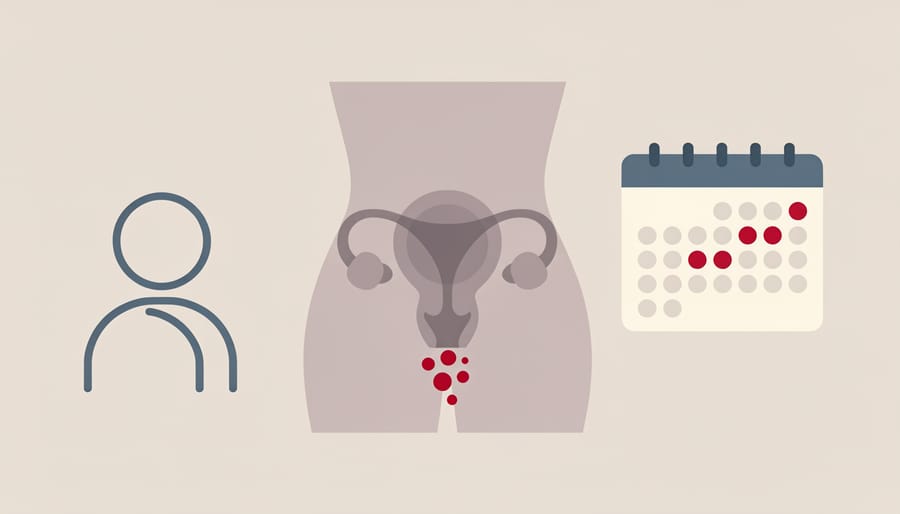
Knowing when to reach out to your doctor can feel overwhelming, especially when you’re unsure whether symptoms are serious. Trust your instincts: if something feels different or concerning in your body, that’s reason enough to make an appointment. When you have unexpected bleeding, it’s important to let your doctor know right away. This includes bleeding between periods, after menopause, following intercourse, or any pattern that differs from your normal cycle. While not every case of abnormal bleeding signals cancer, it’s a symptom that always warrants medical evaluation.
Beyond bleeding, schedule an appointment if you experience persistent pelvic pain that lasts more than two weeks, unusual vaginal discharge with a foul odor, pain during intercourse that’s new or worsening, or unexplained weight loss paired with fatigue. These symptoms deserve attention, though they don’t require emergency care in most cases. What matters is getting them checked rather than waiting to see if they resolve on their own.
Seeking medical guidance isn’t a sign of overreacting, it’s an act of self-care and advocacy. Your concerns are valid, and healthcare providers would rather evaluate symptoms early than see you delay until a condition advances. Remember, you know your body better than anyone else, and you have every right to ask questions and request thorough evaluation.
When preparing for your appointment, keep a brief symptom diary noting when unusual bleeding or pain occurs, how long it lasts, and any patterns you’ve noticed. Write down questions beforehand so you don’t forget them in the moment. During the visit, your doctor will likely perform a pelvic exam and may recommend a Pap test or HPV test if you’re not up to date with screening. Being honest about all symptoms, even uncomfortable ones, gives your healthcare team the complete picture they need to help you.
Screening, Prevention, and Early Detection

Regular screening is your first line of defense against cervical cancer, often catching changes years before any symptoms develop. The Canadian Task Force on Preventive Health Care recommends that most women begin cervical cancer screening at age 21, though screening can be delayed if you haven’t yet had sexual activity at that age. This timeline exists because the screening tests, primarily the Pap test and HPV test, can identify precancerous changes in cervical cells when they’re still highly treatable, often a decade or more before cancer forms.
The Pap test looks for abnormal cells on the cervix, while the HPV test detects the human papillomavirus strains most likely to cause cervical cancer. Depending on your age and previous results, your doctor may recommend one or both tests, typically every three years for Pap tests alone or every five years when combining both tests. These intervals work because cervical cancer develops slowly, giving regular screening multiple opportunities to catch problems early.
Here’s what many women don’t realize: screening and symptom awareness work together, not as substitutes for each other. Even with regular screening, you should never ignore symptoms like unexpected bleeding. Screening happens periodically, but your body communicates constantly. When you have unexpected bleeding, it is important to let your doctor know, regardless of when your last screening occurred. Some changes can develop between scheduled tests, and abnormal vaginal bleeding can be caused by a problem with the cervix that warrants immediate attention.
Think of screening as your scheduled health check-in and symptom awareness as your daily partnership with your body. Both honor the principle that your wellbeing deserves proactive care, not just reactive responses. The Canadian Task Force continues to monitor scientific developments in cervical cancer screening, ensuring recommendations evolve as our understanding grows. Stay current with your scheduled screenings, trust what your body tells you between appointments, and remember that early detection transforms outcomes.
A Holistic Approach to Cervical Health and Recovery
Your body’s wellness extends far beyond medical appointments and screening schedules. While Pap tests and HPV screenings form your essential first line of defense, supporting your cervical health through daily choices creates a foundation for prevention and recovery.
Cancer recovery diet principles apply equally to prevention. A plate rich in colorful vegetables, particularly cruciferous varieties like broccoli and cauliflower, provides antioxidants that protect cellular health. Berries, citrus fruits, and leafy greens deliver vitamin C and folate, nutrients linked to cervical cell protection. Whole grains and legumes support immune function, while healthy fats from fish, nuts, and olive oil reduce inflammation throughout your body.
Nutrition research continues to uncover connections between what we eat and how our bodies resist disease, making every meal an opportunity to nourish your cells.
Stress management matters more than many realize. Chronic stress suppresses immune response, the very system that helps your body identify and clear abnormal cells. Whether through meditation, gentle yoga, nature walks, or creative pursuits, finding practices that calm your nervous system strengthens your overall resilience.
This integration honors both science and self-care. Holistic approaches never replace medical screening or treatment, but they create the conditions where your body can thrive. You deserve comprehensive care that addresses your whole being.
Common Questions About Cervical Cancer Symptoms
Can symptoms of cervical cancer appear suddenly?
Cervical cancer typically develops slowly over years, but symptoms can seem to appear suddenly when changes reach a certain point. Abnormal bleeding or other warning signs may emerge without prior notice, which is why reporting any unexpected symptoms to your doctor promptly matters so much.
Do all women with cervical cancer experience symptoms?
No, early-stage cervical cancer often causes no symptoms at all, which is precisely why regular screening remains essential even when you feel perfectly healthy. Symptoms usually appear as cancer progresses, making screening your best defense for catching changes before you notice anything wrong.
Can other conditions cause the same symptoms?
Yes, many conditions can cause abnormal bleeding, unusual discharge, or pelvic pain, including infections, fibroids, endometriosis, or hormonal changes. The overlap makes it impossible to self-diagnose, so when you have unexpected bleeding, it is important to let your doctor know and get a proper evaluation.
How do I talk to my doctor about embarrassing symptoms?
Remember that your healthcare provider has heard every possible symptom and never judges what you share. Be specific about what you’ve noticed, when it started, and how it affects you, the more details you provide, the better they can help, and you might find it helpful to tell loved ones about your appointment so they can offer support.
What if my symptoms come and go?
Intermittent symptoms still deserve medical attention, especially abnormal bleeding or pain that disappears and returns. Keep a simple log of when symptoms occur, how long they last, and what they feel like, this pattern information helps your doctor understand what’s happening and make the right diagnostic decisions.
Your body communicates through symptoms, and learning to listen without panic takes practice. Many women worry about wasting their doctor’s time or appearing overly anxious, but seeking clarity about unexpected physical changes is never an overreaction. Healthcare providers would rather evaluate a symptom that turns out to be benign than miss an opportunity for early detection.
If you’re experiencing symptoms that concern you, trust that instinct. Medical conversations work best when you come prepared with specific observations rather than vague worries, note the timing, frequency, and nature of what you’re experiencing. Your doctor can then determine whether additional testing makes sense or if your symptoms fit a pattern that requires simple monitoring. Either way, you’ve advocated for yourself and gained peace of mind, which matters deeply for your overall wellness journey.
Your body speaks to you every day, and recognizing the warning signs of cervical cancer is one of the most powerful forms of self-care you can practice. If you experience abnormal vaginal bleeding, unusual discharge, persistent pelvic pain, or any other symptom that concerns you, trust yourself. Don’t wait. Don’t minimize. Reach out to your healthcare provider right away.
Early detection truly does save lives. When you listen to your body and take action, you’re not just addressing symptoms, you’re advocating for your health, your future, and everyone who loves you. You deserve to be heard, and your concerns deserve attention.
At the Cancer Recovery Canada Foundation, we walk alongside women through every stage of their journey, from prevention and early detection through recovery and beyond. You’re not alone in this. Whether you’re experiencing symptoms, seeking screening information, or supporting someone you care about, help and hope are available.
This article provides general information and should not replace professional medical advice. Always consult with your healthcare provider regarding any health concerns, symptoms, or screening decisions specific to your individual situation.
