
How Nutrition Research Is Changing Cancer Recovery (And What It Means for You)
 paulette
The scientific relationship between nutrition and cancer is clear: what you eat during and after treatment can influence recovery outcomes, symptom management, and quality of life. Decades of peer-reviewed research published in specialized journals have documented how specific nutrients support immune function, help maintain muscle mass during chemotherapy, and may reduce inflammation that fuels cancer progression. Yet translating this research into practical daily choices remains challenging for most patients navigating recovery.
The journal Nutrition and Cancer, established in 1978, serves as one of the primary repositories for this evolving science, alongside publications in oncology and integrative medicine journals worldwide. Researchers have investigated everything from how plant compounds interact with conventional treatments to which dietary patterns best support survivors years after their final treatment. The findings offer genuine hope, not through miracle cures or unproven protocols, but through evidence-based strategies that complement medical care.
Understanding this research matters because cancer and its treatments place extraordinary demands on your body. Chemotherapy can diminish appetite and alter taste. Radiation may cause inflammation that makes eating painful. Surgery increases protein needs for healing. Meanwhile, many patients face conflicting advice from well-meaning friends, dubious internet sources, and even healthcare providers who received minimal nutrition training in medical school.
This article guides you through what the research actually shows. You’ll learn which study findings translate into practical recovery strategies, how to evaluate nutrition claims you encounter, and when to seek guidance from registered dietitians specializing in oncology. The goal is empowering you with credible information that supports your healing journey, always in partnership with your medical team and never as a replacement for their expertise.
Understanding Nutrition Research in Cancer Care
When you start exploring nutrition research related to cancer, you’ll encounter different types of studies, each offering distinct insights into how food affects healing. Understanding these differences helps you place findings in context rather than treating every headline as immediate instruction for your plate.
Laboratory studies, sometimes called in vitro or preclinical research, examine how specific nutrients or food compounds interact with cancer cells in controlled settings, test tubes or animal models. These studies generate valuable hypotheses and show biological mechanisms, but they can’t tell you exactly what will happen in your body. A compound that shrinks tumors in mice might behave entirely differently in humans, where digestion, metabolism, and individual biology add layers of complexity.
Clinical trials test interventions directly in people. Randomized controlled trials, considered the gold standard, divide participants into groups to compare specific dietary approaches against standard care or placebo. These studies provide stronger evidence about cause and effect, but they’re expensive, time-consuming, and often focus on narrow questions with carefully selected participants. What works for the average study participant may need adjustment for your unique situation.
Observational research follows people over time, tracking what they eat and comparing health outcomes. These studies can spot patterns, like whether people who eat more of certain foods experience better recovery, but they can’t prove causation. Someone who eats abundant vegetables might also exercise regularly, manage stress effectively, and have better healthcare access. Teasing apart which factor makes the difference requires careful interpretation.
Most nutrition-focused cancer journals publish a mix of all three study types, along with review articles that synthesize findings across multiple studies. When you read about research, look for words like “may,” “suggests,” or “associated with” rather than “proves” or “causes.” Good research speaks cautiously because scientists understand that single studies rarely provide complete answers.
The research landscape constantly evolves. What we understand about nutrition and cancer recovery grows richer each year, but no single study should dramatically reshape your entire approach to eating. Think of research as building blocks that gradually construct a clearer picture, not as individual revelations that demand immediate action. Your healthcare team can help you interpret how emerging evidence applies to your specific cancer type, treatment plan, and overall health status.
Key Research Areas That Matter During Recovery
Plant-Based Nutrition Research
Research continues to explore how whole plant foods may support your body during cancer recovery. Rather than isolating specific compounds in laboratories, many studies now look at what happens when people eat more vegetables, fruits, whole grains, and legumes as part of their overall diet.
The emerging picture suggests that eating a variety of colorful plants matters more than focusing on any single “superfood.” Different colored vegetables offer different supportive compounds that work together in ways researchers are still discovering. A plate filled with dark leafy greens, orange squash, purple cabbage, and red tomatoes provides a broader spectrum of plant nutrition than any supplement could replicate.
Whole grains and legumes appear frequently in research on cancer recovery nutrition. These foods provide fiber that supports digestive health during treatment, along with steady energy and plant-based protein. Research examines how beans, lentils, brown rice, and oats fit into recovery eating patterns, particularly for people managing treatment side effects or rebuilding strength.
What makes this research encouraging is its focus on accessible, everyday foods rather than exotic ingredients or expensive supplements. The patterns being studied involve foods you can find at any grocery store and prepare in your own kitchen. While scientists continue investigating exactly how these foods support recovery, the evidence points toward making plants a generous part of your meals whenever possible, within whatever dietary approach works for your specific situation and medical guidance.
Protein and Muscle Health Studies
Research consistently shows that maintaining muscle mass during cancer treatment supports both recovery and quality of life. Treatment can increase your body’s protein and calorie needs while simultaneously making it harder to eat enough, creating a challenging situation where your muscles need more support precisely when getting that support feels most difficult.
Your body uses protein to repair tissue damaged by treatment, support immune function, and maintain the strength you need for daily activities. When protein intake falls short during treatment, your body may break down muscle to meet its needs, leading to fatigue, slower wound healing, and reduced treatment tolerance.
Both animal and plant proteins can support muscle health, and you don’t need to choose one exclusively. Fish, poultry, eggs, and dairy offer complete protein profiles that are often easier to digest during treatment. Plant sources like beans, lentils, quinoa, tofu, and nuts provide protein alongside fiber and anti-inflammatory compounds. Many people find success combining both, choosing whatever they can tolerate on any given day.
Timing matters too. Research suggests spreading protein throughout the day, rather than concentrating it in one meal, may better support muscle maintenance. This might mean including a protein source at each meal and snack when possible, even if portions are smaller than usual.
Translating Research Into Your Kitchen
You don’t need a PhD to put good nutrition research into practice. The science points toward patterns you can build into your daily routine, starting exactly where you are right now.
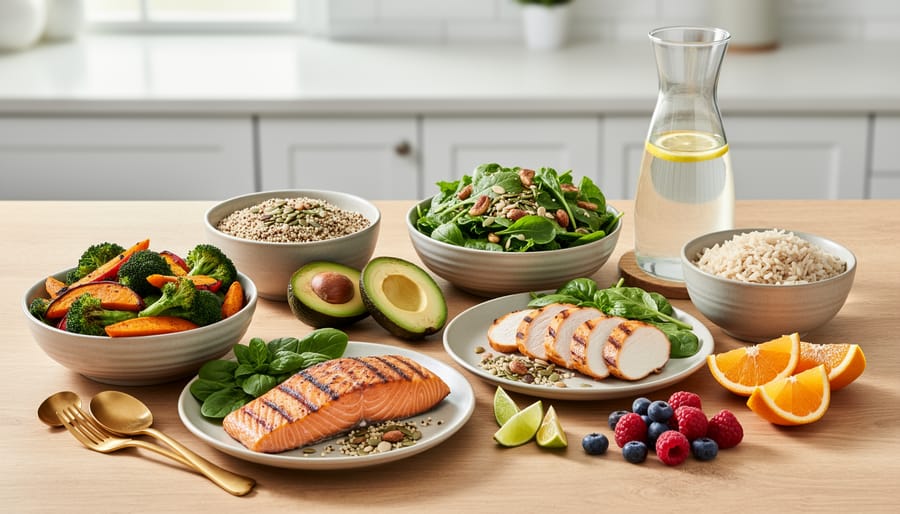
Begin with the simplest research principle that appears across multiple studies: eat a rainbow. Different colored vegetables and fruits contain different beneficial compounds. Red tomatoes offer different plant nutrients than orange carrots, which differ from green broccoli, purple cabbage, and white cauliflower. Your plate becomes more nutritionally complete when it looks like a produce section rather than monochrome beige. If you can only manage three colors today, that’s progress. Tomorrow might bring four.
Whole foods consistently show better outcomes in research than isolated supplements or highly processed options. This doesn’t mean you need to overhaul everything overnight. It means choosing brown rice over white when you have the energy, picking oatmeal instead of sugary cereal, or adding beans to soup. These small swaps accumulate. Your body recognizes real food more readily than laboratory creations, and research suggests it responds better to nutrients in their natural packages.
When you eat matters as much as what you eat. Many people undergoing treatment find smaller, more frequent meals easier to manage than three large ones. Research exploring treatment side effects consistently acknowledges that nausea, fatigue, and taste changes affect eating patterns. Listen to those signals. If morning is your best eating window, make it count with nutrient-dense choices. If evening feels better, adjust accordingly.
Here’s a practical framework that translates research priorities into something you can actually build on your plate:
- Start with vegetables, aiming to fill half your plate with varied colors
- Add a protein source, whether animal-based or plant-based, choosing what appeals to you today
- Include a whole grain or starchy vegetable for sustained energy
- Finish with a small amount of healthy fat like olive oil, avocado, or nuts if you tolerate them
- Hydrate throughout the day, not just at mealtimes
This isn’t rigid. Some days you’ll nail it. Other days, you’ll manage toast and broth. Both days count as nourishment.
Research also emphasizes that your body’s needs shift throughout treatment and recovery. What worked last month might not work now. That texture you craved yesterday might repel you today. These changes aren’t failures. They’re information. Keep experimenting gently, without judgment. The best eating pattern is the one you can sustain right now, even if it looks nothing like last year’s normal.
What Research Can’t Tell You (Yet)
Even the most promising nutrition research comes with important limitations that matter for your recovery journey. Understanding these gaps helps you stay grounded while remaining hopeful about what science can offer.
One of the biggest challenges is individual variation. A dietary approach that helps one person may not work the same way for you, because genetics, treatment type, cancer stage, and overall health create unique responses. Research studies report averages across groups, but you’re not an average. You’re a person with specific needs that change day by day, especially during treatment.
There’s also a significant gap between controlled research environments and your real kitchen. Clinical studies carefully control portions, timing, and food quality in ways that don’t translate neatly to everyday life. Participants in trials often receive prepared meals, regular monitoring, and support that most of us don’t have at home. This doesn’t make the research invalid, but it does mean that applying findings requires flexibility and adjustment to your circumstances.
Many areas remain under investigation. Researchers are still exploring optimal timing of meals around chemotherapy, the role of specific gut bacteria in treatment response, and how different foods might interact with newer immunotherapy drugs. These are active questions without clear answers yet, and that uncertainty can feel frustrating when you want definitive guidance now.
Perhaps most importantly, no single food acts as a magic bullet against cancer. You’ll encounter claims about miracle berries, powerful spices, or cancer-fighting vegetables. While many foods contain beneficial compounds, expecting one ingredient to transform your outcome sets up disappointment. Cancer recovery involves complex biology that no single dietary component can address alone.
Patience with evolving science is challenging when you’re living with cancer today. But recognizing what research can’t yet tell you helps you avoid false hope while staying open to evidence-based approaches that truly support your healing.
Working With Your Healthcare Team
Your oncologist knows cancer treatment inside and out, but they might not have extensive training in nutrition science. That’s completely normal. When you come across research findings that interest you, bring them to your next appointment with a clear question rather than a request for a specific change. Try “I’ve been reading about anti-inflammatory eating patterns during recovery. Would that approach fit with my treatment plan?” instead of “Should I start taking turmeric supplements?” The first opens a conversation, while the second might lead to a quick yes-or-no without exploring what would actually work for your situation.
Most cancer centers now have registered dietitians who specialize in oncology nutrition, and they’re often the best professionals to translate research into your specific circumstances. These specialists understand how treatment affects appetite, taste, digestion, and nutrient needs in ways that general nutrition advice can’t address. If your care team hasn’t mentioned nutrition support yet, it’s worth asking for a referral, especially if you’re experiencing weight loss, persistent nausea, taste changes, or uncertainty about what to eat.
The dietitian helped me understand that what I read in research and what my body needed right then weren’t always the same thing. Having that guidance took away so much anxiety about whether I was doing enough.
Come to appointments prepared with honest information about what you’re actually eating, not what you think you should be eating. Mention any supplements you’re considering before starting them, since some can interfere with treatment effectiveness. The goal is building a collaborative relationship where you feel heard and your care team understands your whole approach to recovery, including the nutritional choices you’re making alongside your medical treatment.
Finding Hope in the Science

When Sarah finished her last chemotherapy session for breast cancer in early 2025, she felt relieved but lost. Her oncologist had cleared her for normal activity, but nothing felt normal. She was exhausted, her taste buds were off, and she had no idea how to eat her way back to feeling like herself.
Rather than following the latest diet trend, Sarah asked her oncology team for a referral to a registered dietitian who specialized in cancer recovery. Together, they looked at what nutrition research suggested might support her healing, then adapted those principles to Sarah’s real life, her budget, her kitchen skills, her changing appetite.
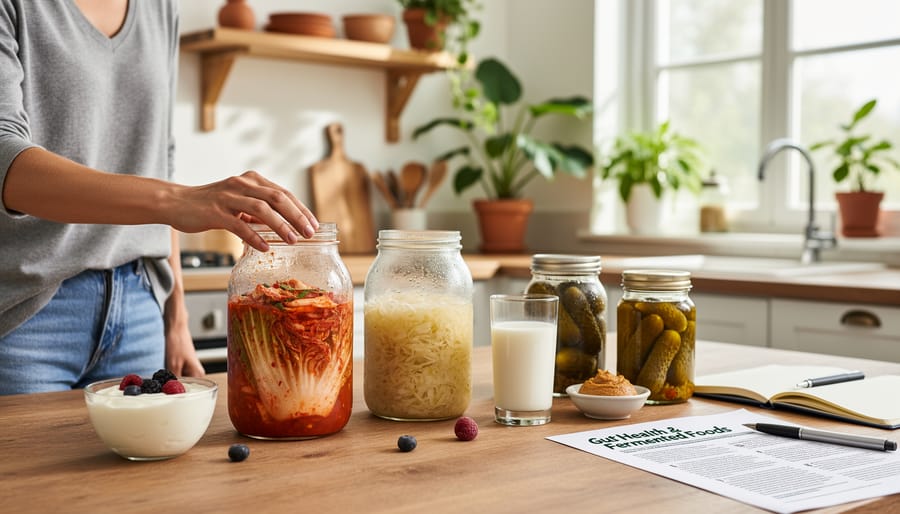
She started small. One week, she focused on adding more colorful vegetables to whatever she was already eating. The next, she experimented with protein-rich foods at breakfast to combat the fatigue that hit hardest in the mornings. When her digestion felt off, she tried fermented foods like kefir and sauerkraut in tiny amounts, guided by emerging research on gut health during recovery.
What surprised Sarah most wasn’t any dramatic transformation. It was the sense of control she regained. After months of treatments happening to her body, choosing nourishing foods felt like participating in her own recovery. Some days she managed elaborate grain bowls packed with vegetables and legumes. Other days, scrambled eggs and berries counted as a win.
She kept a simple food journal, not to be perfect, but to notice patterns. She learned that ginger tea settled her stomach before meals. That eating smaller portions more frequently worked better than three big meals. That her energy improved on days when she included both plant and animal proteins.
Eighteen months later, Sarah’s bloodwork showed improved markers, and she felt stronger than she had in years. She credits her medical team first, but she also knows the small, consistent food choices mattered. They gave her something constructive to do with the worry, a way to show up for her healing every single day.
Research gave her direction. Her own body gave her feedback. Together, they became her roadmap forward.
The research published in journals like Nutrition and Cancer continues to reveal new connections between what we eat and how our bodies heal. While this science doesn’t offer miracle cures, it does provide something equally valuable: evidence-based strategies that can support your recovery alongside conventional treatment.
Think of nutrition not as a separate therapy, but as a supportive partner in your healing journey. The research we’ve explored shows that food choices can help manage side effects, support your strength, and potentially influence how your body responds to treatment. These aren’t magic solutions, but practical tools you can use every day.
What makes this research particularly hopeful is that you don’t need to overhaul your entire life overnight. The science supports gradual, sustainable changes. Eating more colorful vegetables this week matters. Adding protein to breakfast when you can keeps you stronger. Drinking water between bites when swallowing feels difficult makes meals more manageable. These small, consistent efforts add up.
Stay curious about emerging research, but stay grounded in your own medical team’s guidance. What works in a controlled study may need adjustment for your specific situation. Your oncologist, registered dietitian, and other healthcare providers can help you translate general research findings into personalized recommendations that account for your treatment, side effects, and recovery goals.
Most importantly, release the pressure to be perfect. Some days you’ll eat exactly what supports healing. Other days you’ll eat what you can tolerate, and that’s okay too. Progress happens in the overall pattern, not in any single meal. Trust the science, trust your team, and trust that every positive choice you make is supporting your body’s remarkable capacity to heal.
