
J. N. Adam Memorial Hospital: History, Collection, and How to Engage
 paulette
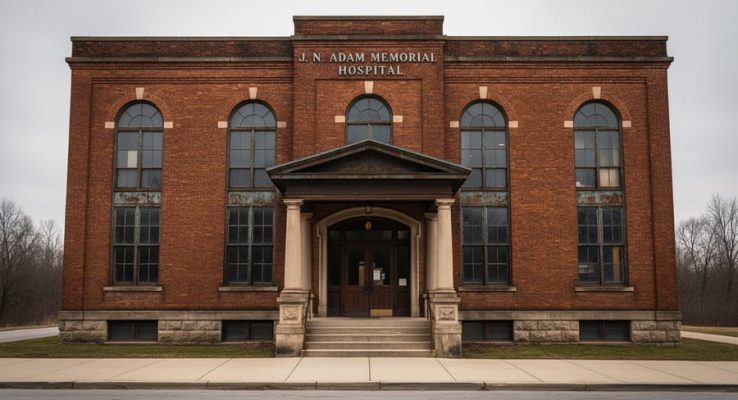
The J. N. Adam Memorial Hospital was a tuberculosis hospital in Perrysburg, New York, built and maintained by the City of Buffalo. It opened in 1912, closed as a tuberculosis hospital in 1960, then reopened as a state “mental hygiene” facility before closing for good in 1993. Today, its story lives on through a collection held by the Museum of Disability History at The Viscardi Center, which includes six copies of the magazine “Grit-Grin” from 1928 to 1939 and ten postcards showing life inside the hospital.
Why does a closed hospital belong on a site about cancer recovery? Because its history reflects something familiar to anyone facing serious illness: people living through long, uncertain treatment, leaning on one another, and finding ways to keep their voices alive. Long before today’s screenings and support networks, patients and families faced frightening diagnoses with far fewer options. Knowing today’s cancer warning signs is one way we carry that care forward. This profile explains what the hospital was and how to explore its records.
What the J. N. Adam Memorial Hospital Was: A Tuberculosis Hospital Remembered

The J. N. Adam Memorial Hospital was a tuberculosis hospital in Perrysburg, New York. The City of Buffalo built and maintained it for people suffering from tuberculosis, and it opened its doors in 1912.
It is important to say plainly that this is a closed historical institution. It is not an active hospital, and it is not a cancer center. If you came here looking for care, treatment, or a place to call for an appointment, this hospital cannot help, and no current contact details are available for it. Your healthcare team is the right place to start for care that fits your situation.
What remains is its history. The hospital’s story is preserved in a collection owned by the Museum of Disability History at The Viscardi Center, which is where those curious about its past can learn more. In the sections ahead, we will look at what the hospital did over its lifetime and what the collection holds, sticking to what is documented rather than guessing at the details of daily life inside its walls.
What They Did: From Tuberculosis Care to a State Facility
When the J. N. Adam Memorial Hospital opened in Perrysburg, New York, in 1912, it had a clear purpose. The City of Buffalo built and maintained it for people suffering from tuberculosis. That was its role for nearly five decades, and it was the work the hospital was created to do.
In 1960, the facility closed as a tuberculosis hospital. That did not end its story. The site reopened and operated as a state “mental hygiene” facility. The phrase is a term from its era. It was used for state-run institutions that cared for people with mental health conditions and developmental needs, and it is not language we would choose today. We use it here only because it reflects how the facility was described at the time. The hospital then closed for good in 1993.
Here is the timeline at a glance:
| Period | Role of the facility | Status |
|---|---|---|
| 1912 | Tuberculosis hospital built and maintained by the City of Buffalo | Opened |
| 1960 | Tuberculosis hospital | Closed in this role |
| After 1960 | State “mental hygiene” facility | Reopened |
| 1993 | State facility | Closed for good |
Beyond these milestones, the record we can confirm is limited. We do not have verified details about specific treatments, the staff who worked there, or what individual patients experienced, so we will not guess. What we can say is that for most of the twentieth century, this one site served people through two very different chapters of public health care.
Key Details at a Glance: Location, Dates, and the Museum Collection
Here are the verified facts about the J. N. Adam Memorial Hospital, gathered in one place:
- Location: Perrysburg, New York.
- Opened: 1912.
- Built and maintained by the City of Buffalo for people with tuberculosis.
- Closed as a tuberculosis hospital in 1960.
- Later reopened as a state “mental hygiene” facility.
- Closed for good in 1993.
- Collection now owned by the Museum of Disability History at The Viscardi Center.
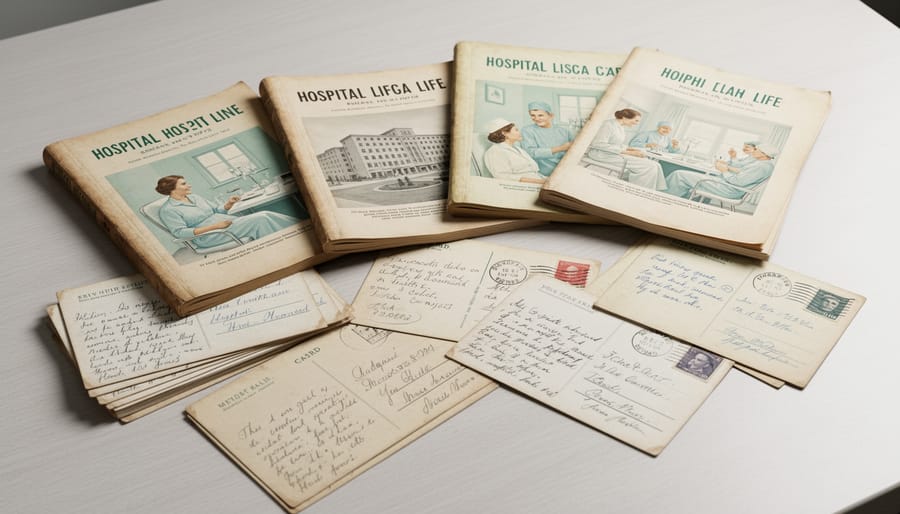
The collection is small but meaningful. It holds six copies of the magazine “Grit-Grin,” published between 1928 and 1939, along with ten postcards that chronicle life inside the hospital.
One honest note: the hospital has been closed since 1993, and no current contact details for it are available. We won’t offer a phone number, address, or visiting information we can’t confirm. If you’d like to learn more about the collection, the Museum of Disability History at The Viscardi Center, which owns it, is the right place to start.
Inside the Collection: Grit-Grin Magazines and Postcards of Hospital Life
What the Collection Includes
The collection tied to the J. N. Adam Memorial Hospital is small, and it is held by the Museum of Disability History at The Viscardi Center. It includes six copies of the magazine “Grit-Grin,” published between 1928 and 1939, along with ten postcards that chronicle life within the hospital.
Taken together, these items span more than a decade of the hospital’s early years as a tuberculosis facility built and maintained by the City of Buffalo in Perrysburg, New York. The museum’s official channels are the place to ask about viewing or access.
Why Everyday Keepsakes Matter
Small, ordinary objects can carry a surprising amount of meaning. A magazine passed between readers or a postcard sent from a place of treatment is, at its heart, a way of staying connected during a hard season of life. The J. N. Adam Memorial Hospital collection, held by the Museum of Disability History at The Viscardi Center, includes six issues of “Grit-Grin” and ten postcards that chronicle life within the hospital.
We can’t know every story behind them. Still, keepsakes like these remind us that illness has always been lived out in everyday moments, in words shared and connections kept. For anyone facing a health journey today, there is quiet comfort in that. Your story matters too, and so does the community around you.
Who This History Speaks To: Patients, Families, and the Curious

Some readers come to a place like the J. N. Adam Memorial Hospital for very personal reasons. If you’re a cancer patient, a survivor, or someone who loves one, it can be comforting to remember that communities have faced serious illness together for generations. Knowing that people in Perrysburg, New York, once lived through long health journeys, with a city standing behind them, can offer a quiet sense of perspective.
This history also speaks to local-history readers, to anyone curious about how care has changed over the decades, and to those who care about disability and health history. The collection at the Museum of Disability History is a small window into that larger story.
For Addams Hill, who founded Cancer Recovery Canada Foundation after her own cancer journey, that kind of reflection matters. It echoes the hope, resilience, and community that shaped the foundation’s history. We offer it as a gentle reflection, not a medical claim. If you’re seeking care or have health questions, please talk with your healthcare team.
How to Engage With This History and Find Support Today
If this history has made you curious, the best next step is the Museum of Disability History at The Viscardi Center, which owns the J. N. Adam Memorial Hospital collection. We don’t have confirmed contact details, hours, or visiting arrangements, so please check the museum’s official channels to learn how to view or ask about the collection.
Looking back is only part of the picture, though. If you or someone you love is facing cancer today, the most important conversation is the one with your healthcare team. They can help you weigh your options and shape a plan that fits your life. Many people also find comfort in exploring the whole person, and Cancer Recovery Canada Foundation shares resources on integrated care, nutrition, fitness, and spirituality. If food is on your mind, you might start with this look at how nutrition research is changing cancer recovery.
Please remember that this article is a historical profile, and nothing here replaces professional medical advice. Always consult your care team before making changes to your treatment, diet, or activity.
Frequently Asked Questions About the J. N. Adam Memorial Hospital
Where was the J. N. Adam Memorial Hospital located?
It was in Perrysburg, New York. The City of Buffalo built and maintained it for people suffering from tuberculosis.
When did it open and close?
The hospital opened in 1912 and closed as a tuberculosis hospital in 1960. After reopening as a state “mental hygiene” facility, it closed for good in 1993.
Is it still operating, and where is its collection held?
No, the hospital closed permanently in 1993. Its collection is owned by the Museum of Disability History at The Viscardi Center.
What does the collection contain, and can I get contact details?
It includes 6 copies of the magazine “Grit-Grin” published between 1928 and 1939, plus 10 postcards chronicling life within the hospital. No contact details have been confirmed, so we haven’t listed any.
Because the hospital is closed, the museum that holds the collection is the best place to ask about access. Check its official channels rather than relying on contact information from unverified sources. If you’re reading about this history while facing a health journey of your own, your care team remains the right place for questions about treatment.
Remembering places like the J. N. Adam Memorial Hospital reminds us that people have always faced hard health journeys with courage and community. Long before today’s treatments and support networks, families leaned on one another through uncertain times, and those shared stories still carry quiet strength.
That spirit is at the heart of Addams Hill’s Cancer Journey. Today, no one has to walk their path alone. We invite you to explore the foundation’s resources, and to talk with your healthcare team about the care that is right for you.
