
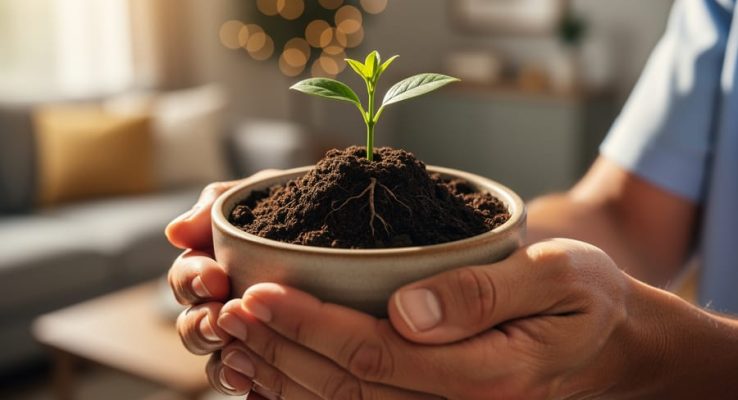
What Is Foundations History (and How Does It Shape Growth)?
 paulette
A foundation’s history is the story of how an organization began, what need it set out to meet, and how it has grown and changed since. It covers the founding moment, the people who shaped it, the programs it built, and the lessons that redirected its course along the way. For anyone weighing a cancer support organization, or simply curious about where Cancer Recovery Canada Foundation came from, that story is one of the clearest windows into what an organization values and how it serves the people who turn to it.
Why does it matter? Because a foundation’s past tells you what it was built to do. A group born from a family’s search for better support after treatment will often carry that care into everything it offers. A long record of steady, adaptable growth can also help you judge whether an organization listens to the community it serves.
In this article, we’ll explain how foundations develop over time, break down the main parts of a foundation’s story, and show how patients and families can use that knowledge when choosing where to find help. You’ll also meet a survivor’s perspective and a few gentle, holistic tips along the way. Everything here is for general information, so please talk with your own care team before making decisions about your health or recovery.
What a Foundation’s History Really Means
When people talk about a foundation’s history, they mean the story behind it: why it began, who shaped it, and how it has grown. It’s the origin story, the founding purpose, the key moments along the way, and the people who carried the work forward. A date on a timeline tells you when something happened. History tells you why it mattered.
That “why” is what separates a foundation from a business or a clinic. A business usually exists to sell a product or service. A clinic exists to deliver medical care. A foundation, on the other hand, is built around a cause, and it relies on the trust of the people it serves and the community that supports it. Because of that, its story is part of its identity. Knowing where a foundation came from helps you understand what it values and what it’s trying to do for people like you.
Here are a few plain-language terms that make the rest of this article easier to follow:
- Foundation
- An organization created to support a specific cause, usually through education, resources, and community effort rather than selling products.
- Mission
- The core purpose a foundation exists to fulfill, which guides the choices it makes.
- Founder
- The person, or people, who started the foundation and set its early direction.
- Milestone
- An important step in a foundation’s growth, such as launching a new resource or reaching more people.
- Integrated care
- An approach that combines conventional medical treatment with supportive practices like nutrition, fitness, and spiritual wellness.
- Community programs
- Resources and activities that bring patients, survivors, and families together for support.
Think of a foundation’s history as its compass. Every article it publishes, every resource it shares, and every decision it makes points back to the reason it was started. When you understand that reason, you can judge whether a foundation’s values match what you or your family need right now.
How a Foundation Grows From a Single Spark to a Supportive Community
The Spark: When Personal Experience Becomes a Mission
For many foundations, the story begins with a moment that changes a life. A diagnosis, a long recovery, or the experience of caring for someone you love can leave a person with a strong sense that nobody should have to walk that road feeling lost. Often, the very thing they wished they’d had during their own hardest days becomes the thing they set out to build for others.
That is the heart of Cancer Recovery Canada Foundation. It began with Addams Hill, a cancer survivor who wanted to help people facing similar challenges find encouragement and practical information. Rather than keeping what was learned to herself, Addams turned the experience into a mission: to support patients, survivors, and families with resources on integrated recovery, including nutrition, fitness, and spiritual wellness alongside conventional treatment.
Every journey is different, and what helped one person may not suit another. Please talk with your healthcare team before making changes to your care or wellness routine.
Building Trust and Reach Over Time

Trust is built in small, steady steps. A foundation rarely earns it with one big announcement. It earns it by showing up again and again with something useful.
For many foundations, that starts with sharing what they know. An article that explains a confusing topic in plain language, a resource list a family can print and bring to an appointment, a thoughtful answer to a question someone was afraid to ask: each of these tells readers, “We understand what you’re facing.” Over time, those small offerings add up to a reputation.
Reach tends to grow the same way. Community connections form when people share what helped them. Partnerships develop when other organizations see shared values and a consistent record. Each relationship stretches the circle a little wider.
That’s why gradual, honest growth matters more than fast growth. Rushing can mean overpromising, and people facing a cancer diagnosis deserve information they can lean on. A foundation that grows carefully keeps its promises, admits what it doesn’t know, and reminds readers to talk with their healthcare team. That patience is what makes people feel safe coming back.
Stages and Building Blocks of a Foundation’s Story
Every foundation’s story unfolds in recognizable stages. Knowing them helps you read any organization’s history with a clearer eye, and it makes the “why” behind its work easier to see.
It usually begins with a founding vision, the moment someone decides to turn a personal experience into help for others. From there come early programs, often small and simple, shaped by what the first supporters actually needed. As trust grows, services expand, and the community gets more involved, offering feedback, sharing stories, and lending a hand. Finally, there’s ongoing evolution. A healthy foundation keeps listening and adjusting rather than standing still.
Here are the core components you can look for:
- A founder’s purpose rooted in lived experience.
- A clear mission statement that explains who the foundation serves.
- Early programs that addressed real, everyday needs.
- Educational resources written in plain, accessible language.
- A community of support where people feel seen and welcomed.
- Steady growth in services, built on trust rather than speed.
Many cancer-focused foundations also reflect an integrated approach. That means conventional treatment stays at the center, while holistic wellness, like nutrition, gentle fitness, and spiritual care, supports the whole person alongside it. When you see these elements woven into a foundation’s story, it often signals that the organization understands recovery as more than a single treatment plan.
A good way to put this into practice is to read a foundation’s “about” page and notice which stages are visible. Is the founding purpose explained? Can you see how programs have grown? Do the resources feel like they were shaped by real people? And whenever you’re weighing integrative options for your own care, it’s wise to talk to your care team first, so every choice fits safely with your treatment.
A Survivor’s Story at the Heart of the Foundation

Every foundation starts with a person, and for Cancer Recovery Canada Foundation that person is Addams Hill, a cancer survivor. As the site describes it, the foundation grew out of a real journey through diagnosis and recovery, not out of a business plan. That origin still shapes its direction today.
Think about what a survivor learns along the way. Medical appointments matter, but so do the quieter questions that come up between them. What should I eat while my body is healing? How do I stay active on a tired day? Where do I find calm when my mind is racing? Someone who has asked those questions at the kitchen table at midnight tends to build resources that answer them with patience and kindness.
That is the gentle logic behind the foundation’s integrated approach, which pairs conventional treatment with holistic support such as nutrition, fitness, and spirituality. Lived experience also encourages a careful respect for evidence, which is why topics like nutrition research are explored in plain language rather than with big promises.
A survivor’s story offers something steady and honest: you are not walking this road alone, and others have found their footing on it. It doesn’t promise a particular outcome, and every journey is different. Hope here means company, practical help, and encouragement.
Please keep your medical team at the center of your care. The foundation’s information is meant to complement their guidance, never replace it.
How Understanding a Foundation’s History Helps Patients and Families
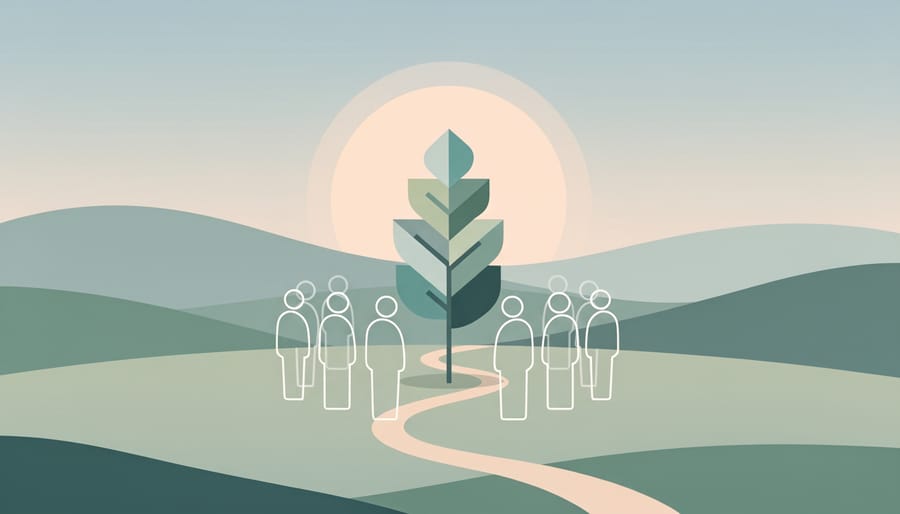
Knowing how a foundation began gives you a quiet kind of clarity. When you understand why it was started and who shaped it, you can better judge whether its values match what you and your family need right now. A foundation built from a survivor’s lived experience, for example, often shows up in the way its resources are written: with patience, warmth, and a real understanding of what the road feels like.
That story also explains why certain resources exist at all. Integrated care ideas, such as pairing conventional treatment with gentler wellness practices, usually come from real questions people asked along the way. Topics like holistic nutrition movement, and spiritual support tend to appear because someone once went looking for them and couldn’t find a trusted place to start.
When you’re exploring any support organization, a few gentle questions can help you feel grounded:
- Who founded it, and what experience inspired them?
- What is its mission, in plain words?
- How does it support families as well as patients?
- How does it encourage you to work alongside your own care team?
Take your time with the answers. Read a few of the resources before you commit to anything, and notice whether the tone feels hopeful without making promises that sound too good to be true. A trustworthy foundation will be comfortable with your questions.
It also helps to feel part of something. Learning a foundation’s story can remind you that others have walked this path and chose to turn their experience into support for people just like you.
A gentle reminder: the information shared by Cancer Recovery Canada Foundation is meant to complement, and never replace, professional medical advice. Before trying any new nutrition, fitness, or wellness practice, please talk with your doctor or care team so your choices fit your own situation.
Common Questions About Foundation History and Growth
Families often arrive with practical questions before they feel ready to read a full story. Here are some of the most common ones, answered as plainly as we can.
Why does a foundation’s history matter?
It shows you why the organization exists and what values guide its work. A story rooted in real survivor experience can help you judge whether its resources feel trustworthy and relevant to your own situation.
Do I need to know a foundation’s story to use its resources?
Not at all. You can read an article, explore a wellness tip, or simply browse at your own pace. The history is there if you want it, and many people find it adds comfort and context.
How do foundations grow?
Most grow gradually, starting with a personal mission, then adding resources, supporters, and community connections as trust builds. Steady, honest growth tends to matter more than fast growth.
Can a foundation replace my medical care?
No. A foundation’s information is meant to complement, never replace, the guidance of your doctors and care team. Please talk with them before making any changes to your treatment or wellness routine.
Another thing people often ask is how to put what they learn into practice. A good starting point is learning to recognize cancer warning signs and bringing any concerns straight to your healthcare provider. Emotional wellbeing matters just as much, and many families find that humor helps cope with hard days and keeps connection alive.
If you’re wondering how to get involved or find support, you can start by exploring the resources and community at Cancer Recovery Canada Foundation. Whether you’re a patient, survivor, or caregiver, you’re welcome to read, reflect, and reach out whenever it feels right.
A foundation’s story is never really about dates and milestones. It’s about the people who showed up, the problems they refused to ignore, and the hope they chose to build on. When you look at how a foundation began and how it has grown, you’re seeing resilience in action: one person’s hard experience turning into support that reaches many.
That’s true of Cancer Recovery Canada Foundation, which began with Addams Hill, a cancer survivor who wanted others to have the kind of guidance and encouragement worth sharing. Growth built on honesty and care takes time, but it creates something steady that families can lean on.
If you or someone you love is walking through a cancer journey, please remember you are not alone. There is a community here, and there are resources designed to support the whole person, from nutrition and movement to emotional and spiritual wellbeing. We invite you to explore what Cancer Recovery Canada Foundation offers and take whatever feels helpful at your own pace.
As you do, keep your healthcare team close. Share what you’re learning, ask questions, and talk with them about how these ideas might fit into your personal recovery plan. Good support works best alongside good medical care, and every step forward, big or small, matters.
